Push-to-Card Disbursement for Gig and Field Workforce Platforms
Instant payouts become the supply-side retention lever gig platforms can't ignore.
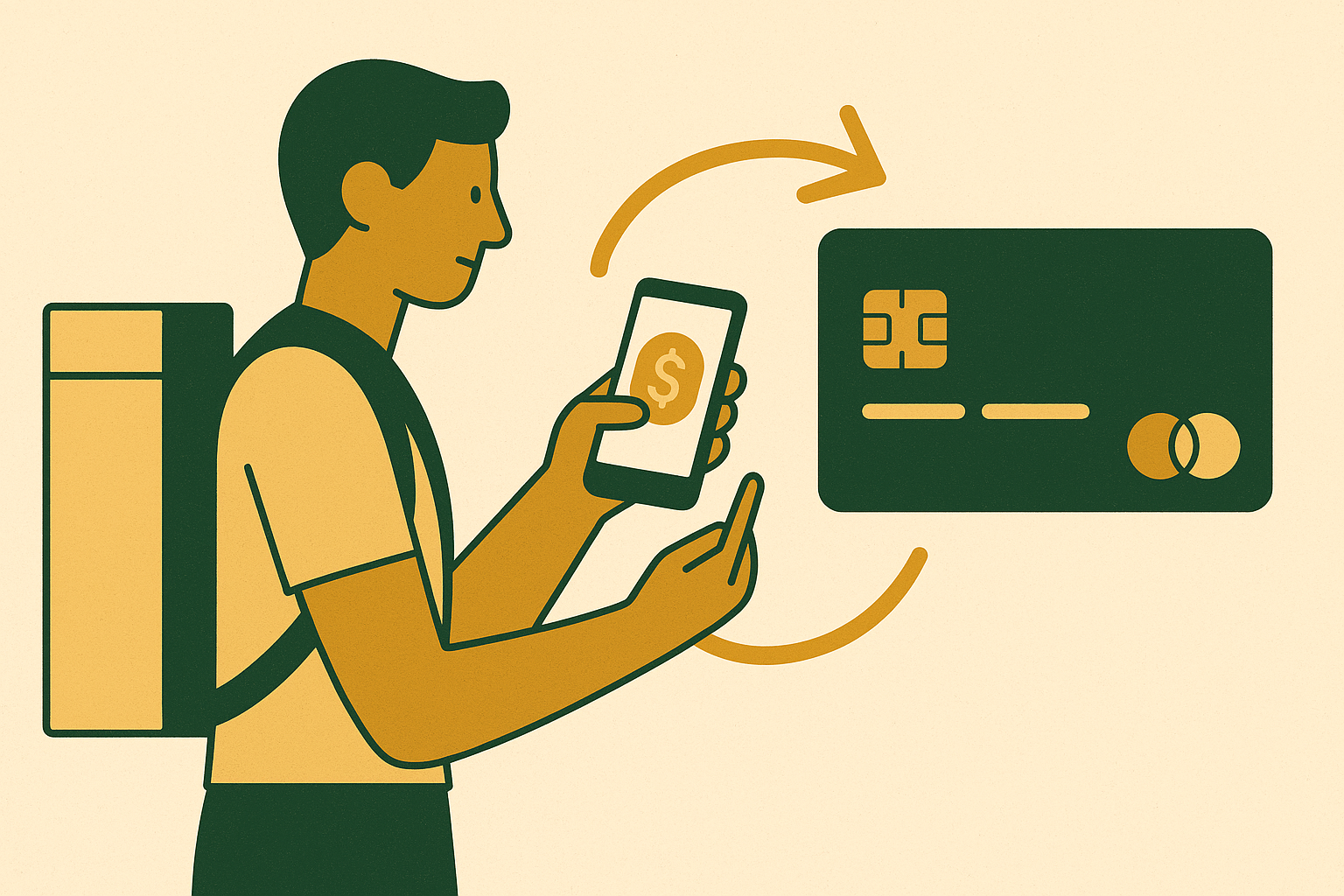
A driver finishing a late shift does not think about settlement windows or Nacha rules. He thinks about whether there's gas money for tomorrow, and whether the app in his pocket will put cash in his account tonight or make him wait. That question, repeated across millions of shifts a week, has turned payout speed into one of the clearest signals gig and field workers use to decide which platform gets their time. PayQuicker's 2026 analysis names four factors workers use to judge a payout system: speed, flexibility, transparency, and reliability. In a market where most workers run two or three apps at once, those four factors shape which app opens first in the morning, how many hours get logged, and how fast someone quits after a bad experience.
Platforms have to build around that multi-app behavior, often called multi-homing, because it is a structural fact. SoFi Tech Solutions notes that a driver ending a shift may need gas or childcare money before the next job starts, so if the payout takes days, that is more than just a scheduling inconvenience. Field workforce platforms, staffing apps for home health aides, technicians, and trade workers, face an identical dynamic. For platforms, that means disbursement speed functions as a retention lever on the supply side, not an operational footnote, and every section that follows is really an argument about how to build that lever correctly.
What push-to-card disbursement does and how it moves money
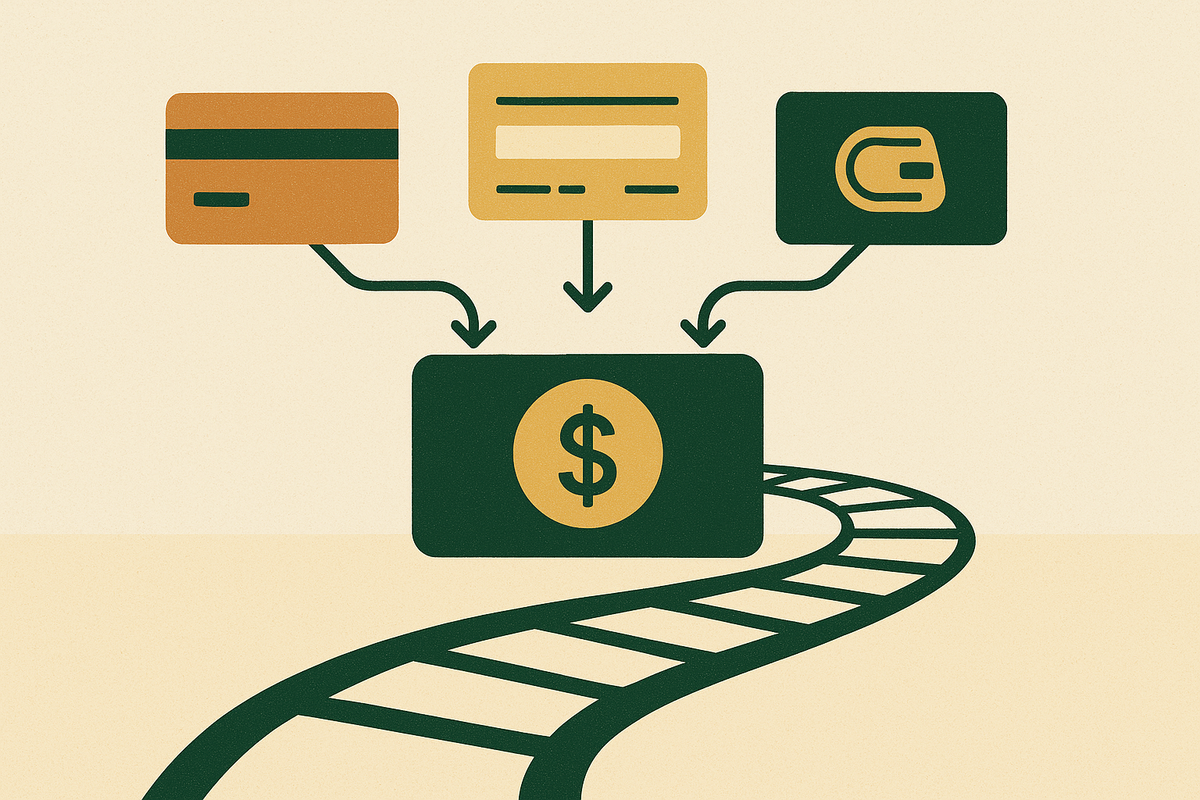
Push-to-card is a specific payment rail, not a marketing label slapped on any payout that feels fast. Visa Direct and Mastercard Send are the two networks that make it work: they push funds directly onto a debit card, and the cardholder can typically access the money within minutes. Nobody has to open a new account or switch banks to receive a push-to-card payment.
The contrast with batch ACH is the baseline every platform is implicitly measured against, and both versions leave gaps, with workers churning right where those gaps open up. A platform built on just one of these rails is building on a single point of failure, a problem the next two sections take up directly.
Why Batch ACH Is No Longer a Defensible Default
If you run a gig or field workforce platform, batch ACH is not a neutral, cost-conscious choice. It drives churn and unfilled shifts, and those costs add up across the whole supply side of the business. SoFi Tech Solutions puts it bluntly: service companies that still rely on batch ACH to pay wages may face challenges that put the business at risk. That's not a hypothetical warning. A worker on a slow-paying platform can see a faster-paying competitor already sitting on the same phone, and nothing stops them from switching.
PayQuicker's research reinforces the same point from a different angle: a slow or unclear payout experience is one of the fastest ways to lose active workers, even when everything else about the platform works well. The operational chain runs from payout failure to revenue failure in a fairly direct line. ACH still has a place in the rail mix. The real question a platform has to answer is which combination of rails it supports and how intelligently it routes between them, since treating ACH-versus-instant as a binary choice misses the actual engineering problem: building infrastructure that can move money through whichever rail fits the moment.
The worker population push-to-card must serve, including the unbanked
For this group, push-to-card and prepaid card disbursement are the only way the platform reaches them. USIO frames this as a structural reality rather than an edge case: platforms that assume every worker has a bank account are operating on an outdated picture of their own workforce. Modern payout infrastructure, in this framing, is no longer just about convenience. It is about access, inclusion, and trust. USIO names the worker categories where banking gaps occur most often, in roles like rideshare drivers, healthcare aides, creative workers, freelance workers, and trade workers, a list that covers most of what the gig economy has become.
Prepaid cards work as the access layer that makes it practical to serve this population. Berkeley Payment describes prepaid debit cards as the tool that lets a platform confidently serve workers outside the traditional banking system: the cards can be fully branded, used at ATMs and retailers, and loaded with gig earnings on a regular schedule, with push payments available as a separate option for sending funds to other financial instruments. Berkeley Payment also lays out the two-sided structure platforms need to think in terms of: capturing inflows through digital platforms and push payments, and capturing outflows by partnering with prepaid card issuers, so the platform touches both the disbursement side and the spending side of a worker's financial life. A platform-branded card extends that relationship further. SoFi Tech Solutions also flags digital wallets, Apple Pay and Google Wallet among them, as a further disbursement channel, because some workers would rather manage money on their phone than carry a physical card.
Architecting Push-to-Card as Platform Infrastructure
The gap between bolting on an instant-payout feature and architecting disbursement as infrastructure shapes whether the system scales, whether the platform can make money from it, and whether workers experience it as something built for them or something patched together. A bolted-on payout is a single third-party tool wired in at the edge of the product, disconnected from onboarding, reconciliation, risk, and billing. It launches quickly and breaks down as volume grows. An infrastructure approach embeds push-to-card inside the same system that handles worker onboarding, KYC, earnings calculation, reconciliation, and reporting, so the payout becomes a natural output of how the platform already runs, not a separate errand bolted onto the end of it.
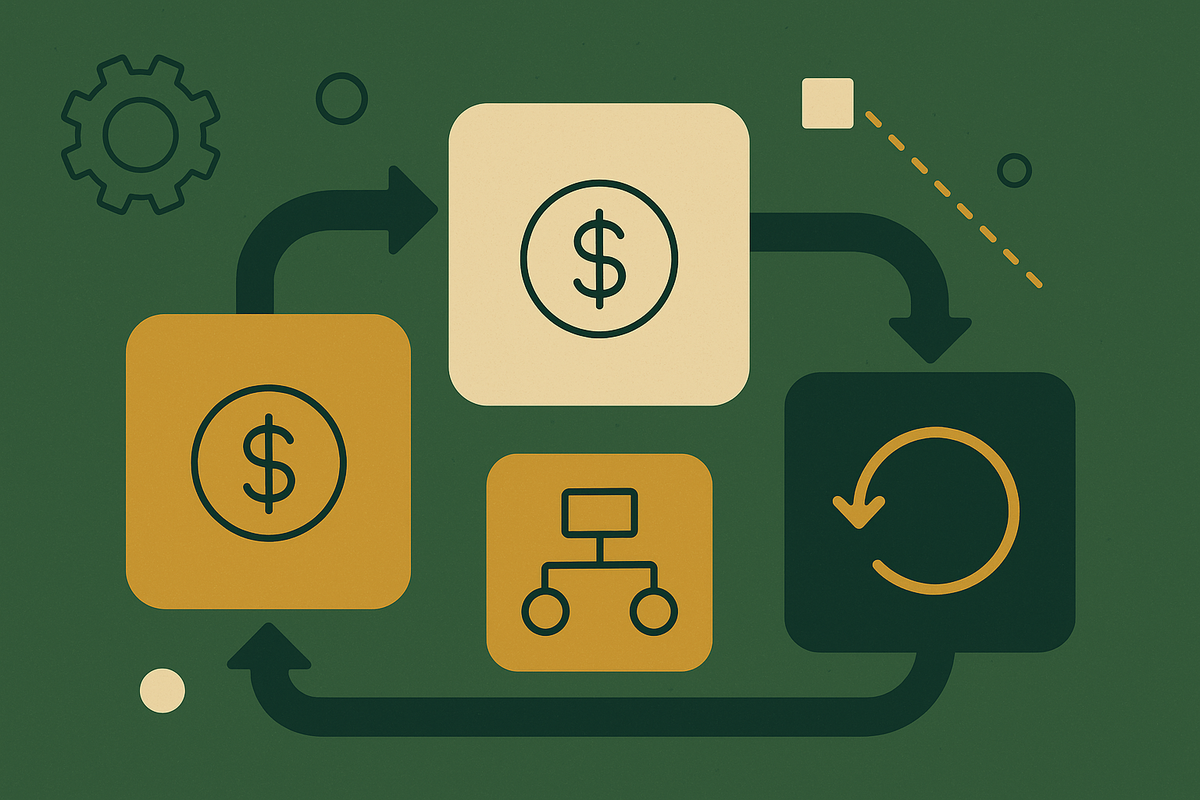
SoFi Tech Solutions organizes the requirement into four layers that have to work together: an experience layer covering speed, choice, transparency, and control; a money-movement layer handling multi-rail disbursement; an account layer, whether a demand deposit account or a wallet; and an operations layer covering KYC/AML, reconciliation, and exceptions management. None of these four layers function as a standalone fix. They have to be integrated, because assembling them from four disconnected vendors recreates the same brittleness a single bolted-on tool produces. Rail resilience is part of this same architecture. The worker-facing test of all this is concrete: SoFi Tech Solutions describes an experience where workers set preferences, switch funding destinations, split deposits across accounts, and see real-time status on timing, limits, and fees. That level of configurability only comes from infrastructure built with depth, not from a payout widget dropped into an app.
Compliance and fraud controls that must be native to the disbursement layer
Moving money instantly removes a buffer that batch processing used to provide almost by accident: time to catch fraud before funds leave the platform. Once payouts settle in minutes instead of days, risk screening has to run in parallel with the payout itself, not after it. If you use AI well, it narrows the volume of transactions a human needs to review down to the small subset that genuinely warrants a second look.
PayQuicker draws a boundary that matters for how platforms should think about this technology: AI should function as decision support, not autonomous control. Built natively into the disbursement layer rather than bolted on afterward, these controls do more than reduce fraud losses. They cut down the volume of exceptions, support tickets, and manual reviews a platform's operations team has to handle, which is the direct bridge into how disbursement infrastructure eventually pays for itself.
How Platforms Monetize Push-to-Card Disbursement
Once push-to-card is embedded as real infrastructure rather than a simple pass-through, it turns into a product layer that can generate fee revenue, interchange income, and the kind of ongoing financial relationship that supports adjacent services down the line. A platform-issued debit card adds a second revenue stream on top of that: every purchase a worker makes with a platform-branded card earns interchange. The payout itself becomes the funding mechanism for a card program that earns money on the spending side, not just the disbursing side.
SoFi Tech Solutions ties this back to the demand deposit account directly: a DDA lets workers get paid, hold funds, and spend using physical or digital debit cards, and paired with the right payout and wallet capabilities, it helps a platform grow retention and revenue at the same time. The revenue math behind this shift is straightforward in shape, even if the exact numbers vary by deal. If a platform operates under a referral or ISO arrangement, it captures a small slice of the gross payment volume moving through it. Payout speed and reliability function as supply-side retention levers in a multi-homing market, and platforms that treat disbursement as infrastructure rather than a back-office task tend to see that retention advantage translate into revenue. Payabli built its Pay Out module natively into its fintech operating system, so vertical SaaS and workforce platforms can architect disbursement as a core product capability across several real-time rails, instead of bolting on a single payout option after the fact and hoping it holds up at scale.
What to evaluate when selecting push-to-card infrastructure for a gig or field workforce platform
Choosing a push-to-card infrastructure partner comes down to six questions, and a platform should be able to answer each one clearly before it signs a contract. The first is rail coverage and resilience: does the system support push-to-card through Visa Direct or Mastercard Send, along with RTP, FedNow, Same Day ACH, and prepaid card loading, and does it reroute automatically when one of those rails goes down? Routable's 2026 guide treats automatic rerouting as a baseline reliability requirement, not a nice-to-have. Routable's guide calls self-service payee onboarding portals non-negotiable, since contractors need to be able to enter their own banking details without pulling in platform staff for every signup.
Developer experience matters too: how good is the API documentation, how accessible is the sandbox, how long does integration actually take, and does the system handle idempotency so a network hiccup doesn't duplicate a payout? Fourth is the depth of compliance automation, covering KYC and AML screening, automated generation of tax forms like the 1099, W-8, and W-9, and state money-transmitter compliance, since manual processes for any of these stop scaling once a platform passes a few hundred payees. A seventh practical concern runs through all of these: pricing has to be transparent and predictable, with clear per-transaction fees, monthly platform costs, and FX methodology, since percentage-based pricing that scales unpredictably with volume becomes a real risk for platforms running high-frequency, low-dollar payouts.
Comparing Payabli to Other Infrastructure Providers
Payabli's architecture covers the full disbursement stack this piece has described, which makes it a direct match for the infrastructure requirement laid out above. Its model splits payments into three connected pieces: Pay In for payment acceptance, Pay Out for disbursements and accounts payable, and Pay Ops for merchant onboarding, risk, billing, and reporting, all running on one infrastructure instead of a patchwork of separate vendors that leaves reconciliation gaps and compliance blind spots. The system is AI-native rather than retrofitted with AI features after the fact: Payabli's Amigo AI Agent Suite runs agentic automation across payment workflows, including real-time risk scoring and anomaly detection at the point of disbursement, which lines up with the decision-support model PayQuicker describes as the right boundary for AI in this context, rather than letting an algorithm make autonomous payout calls. Worker onboarding and KYC live natively inside Pay Ops, so onboarding is part of the same system as the payout rather than a second vendor integration a platform has to stitch in separately. The platform is built specifically for vertical SaaS companies that want to treat payments as a core product rather than a feature they license from someone else, which is the exact posture this piece has argued gig and field workforce platforms need to take.
Other providers in this space solve narrower but real problems. Routable is built as a payout orchestration platform for high-volume mass payouts, sitting above multiple rails and rerouting automatically when one fails, with support for RTP, FedNow, Same Day ACH, and instant-to-card. PayQuicker itself focuses on global payouts orchestration across multiple rails, geographies, and worker preferences through one operational layer, emphasizing centralized governance paired with local configuration, which positions it for platforms expanding internationally while trying to hold compliance controls steady across markets.
The implementation decisions that determine whether embedded push-to-card scales or stalls
How a platform actually goes live with push-to-card disbursement decides whether the system grows into a durable financial services asset or turns into a steady source of worker complaints, compliance headaches, and lost revenue. The first decision is where to start: with the worker onboarding flow, not the payout rail. The second is to configure payout options as product features from day one. PayQuicker specifies that workers should see their options, pick a preferred method, and understand the timing before they confirm a payout, and that level of transparency is a configuration decision made at implementation, not something to patch into the interface later.
You need to build reconciliation into the architecture before launch, not add it once errors start piling up. Last, the monetization layer, branded card programs, fee structures for instant access, interchange participation, needs to be part of the implementation plan from the start, because these are infrastructure decisions that are hard to retrofit once a platform has scaled past its earliest cohort of workers. Implementation quality, in the end, is itself a product decision. A disbursement layer built carefully from the first release becomes a competitive advantage a platform can keep for years. One assembled in a hurry becomes a support burden, and the platform spends those same years trying to unwind it.